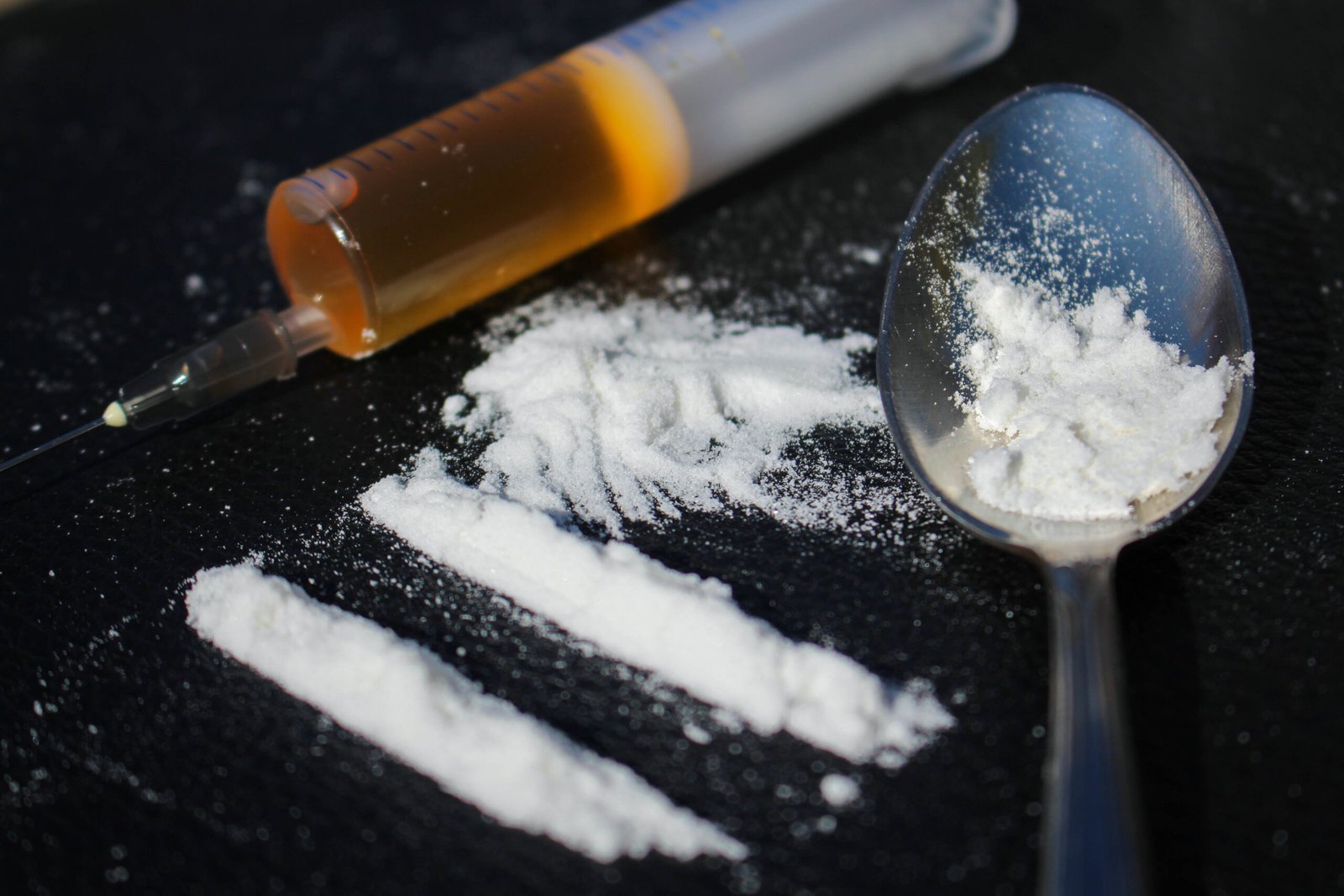
Understanding Methamphetamine (Meth) Addiction: Unraveling its Impact and Road to Recovery
Methamphetamine, commonly known as meth, stands as one of the most potent and addictive stimulants available. Its addictive properties and devastating effects on individuals and communities have sparked concerns about meth addiction. This guide aims to shed light on what methamphetamine addiction entails, its destructive repercussions, and avenues for support. For those seeking assistance, facilities like Ansuva Detox Center in Santa Clarita, California, offer specialized programs tailored to aid individuals in their recovery journey from methamphetamine addiction.

Understanding Methamphetamine Addiction:
Methamphetamine addiction, or methamphetamine use disorder, is a chronic condition characterized by an uncontrollable urge to use meth despite its harmful consequences. Methamphetamine significantly alters brain chemistry by increasing dopamine levels, leading to a powerful and addictive rush of euphoria, ultimately driving repeated use.
Main Points:
- Highly Addictive Nature Methamphetamine’s ability to rapidly elevate dopamine levels makes it highly addictive. This intense pleasure and heightened energy reinforce the cycle of repeated use, leading to the development of tolerance and dependency.
- Signs and Symptoms Recognizing methamphetamine addiction involves understanding its signs, such as increased wakefulness, rapid weight loss, dental issues (“meth mouth”), skin sores, paranoia, hallucinations, mood swings, and erratic behavior.
- Health Risks Methamphetamine addiction poses severe health risks, including heart problems, high blood pressure, damage to organs (such as the liver and kidneys), mental health issues (like anxiety, depression, and psychosis), and an increased risk of infectious diseases from risky behaviors.
- Risk Factors Various factors contribute to the likelihood of developing methamphetamine addiction, including genetic predisposition, environmental factors, trauma, peer influence, and co-occurring mental health conditions.
- Treatment Options Overcoming methamphetamine addiction typically requires a comprehensive approach. Treatment may include detoxification, therapy, cognitive-behavioral interventions, support groups, and sometimes medication to manage withdrawal symptoms or underlying mental health issues. Ansuva Detox Center in Santa Clarita, California, provides specialized programs to support individuals in their recovery from methamphetamine addiction.
- Prevention and Support Education and awareness about the dangers of methamphetamine use are crucial in preventing addiction. Providing accessible support systems, educational resources, and community programs can aid in early intervention and support for those affected.
Methamphetamine addiction is a complex and challenging condition that profoundly impacts individuals and their communities. Recognizing the signs, seeking professional help, and exploring effective treatment options, such as those available at Ansuva Detox Center in Santa Clarita, California, are pivotal steps toward recovery.
In conclusion, methamphetamine addiction requires attention, understanding, and support. By offering education, accessible resources, and compassionate care, we can help individuals struggling with methamphetamine addiction find a path to a healthier and more fulfilling life. Seeking help is a courageous step towards regaining control and achieving lasting recovery from methamphetamine addiction. If you or someone you know is battling methamphetamine addiction, seeking assistance, such as that provided at Ansuva Detox Center, can be the first step toward a brighter future.

Understanding Addiction and Seeking Recovery
Prescription opioids, powerful pain-relieving medications, have been widely used to manage moderate to severe pain. While effective for many, these drugs come with a risk of addiction and misuse. This article aims to explore the complexities of prescription opioid addiction, its impact, and avenues for support. For individuals seeking assistance, facilities like Ansuva Detox Center in Santa Clarita, California, offer specialized programs to aid in recovery from prescription opioid addiction.
Understanding Prescription Opioid Addiction:
Prescription opioids, such as oxycodone, hydrocodone, and morphine, are potent painkillers derived from the same source as heroin. When used for prolonged periods or in higher doses than prescribed, they can lead to dependency and addiction.
Main Points:
- Pain Management Turned Addiction Risk Prescription opioids are prescribed to alleviate pain after surgery, injury, or chronic conditions. However, their addictive nature can lead to dependency even when taken as directed by a healthcare professional.
- Signs and Symptoms Recognizing prescription opioid addiction involves understanding its signs, such as increased tolerance, cravings, misuse of medication, doctor shopping for prescriptions, withdrawal symptoms upon cessation, and continued use despite negative consequences on health or life.
- Health Risks Prescription opioid addiction poses severe health risks, including respiratory depression, overdose leading to coma or death, constipation, impaired judgment, increased sensitivity to pain, and the potential for transitioning to illegal opioid use, such as heroin.
- Risk Factors Factors contributing to the likelihood of developing prescription opioid addiction include a history of substance abuse, mental health conditions, prolonged use of prescribed medications, genetic predisposition, and environmental influences.
- Treatment Options Overcoming prescription opioid addiction often requires a comprehensive approach. Treatment may involve medically supervised detoxification, therapy, counseling, cognitive-behavioral interventions, support groups, and sometimes medication-assisted treatment (MAT) or naloxone to manage withdrawal symptoms or prevent overdose. Ansuva Detox Center in Santa Clarita, California, offers specialized programs designed to support individuals in their recovery from prescription opioid addiction.
- Prevention and Support Educating individuals about the risks associated with prescription opioid use, proper medication management, promoting alternative pain management techniques, providing accessible support systems, educational resources, and community programs can aid in prevention and early intervention.
Prescription opioid addiction is a complex and concerning condition that demands attention and support. Recognizing the signs, seeking professional help, and exploring effective treatment options, such as those available at Ansuva Detox Center in Santa Clarita, California, are crucial steps toward recovery.
In conclusion, prescription opioid addiction requires comprehensive support and assistance. By offering education, accessible resources, and compassionate care, we can help individuals struggling with prescription opioid addiction find a path towards a healthier and more fulfilling life. Seeking help is a courageous step towards regaining control and achieving lasting recovery from prescription opioid addiction. If you or someone you know is facing prescription opioid addiction, seeking assistance, such as that provided at Ansuva Detox Center, can be the initial stride towards a brighter future.

Understanding the Risks and Path to Recovery
Barbiturates, a class of central nervous system depressants, were once widely prescribed to treat anxiety, insomnia, and seizures. However, their addictive nature and potential for abuse led to a decline in medical use. This article aims to shed light on the complexities of barbiturate addiction, its impact, and avenues for support. For individuals seeking assistance, facilities like Ansuva Detox Center in Santa Clarita, California, offer specialized programs to aid in recovery from barbiturate addiction․

Understanding Barbiturates and Addiction
Barbiturates, like phenobarbital and secobarbital, act as sedatives by depressing the central nervous system. Initially used for medical purposes, these drugs can cause dependence and addiction when used beyond prescribed limits.
Main Points:
- Medical Sedatives Turned Addictive Substances Barbiturates were once commonly prescribed to alleviate anxiety, induce sleep, or manage seizures. However, due to their high potential for tolerance and addiction, their medical use has significantly decreased.
- Signs and Symptoms Recognizing barbiturate addiction involves understanding its signs, such as increased tolerance, drowsiness, confusion, impaired coordination, slurred speech, mood swings, and using the drug despite adverse effects on health or life.
- Health Risks Barbiturate addiction poses severe health risks, including respiratory depression, overdose leading to coma or death, reduced heart rate, memory problems, cognitive impairment, and increased vulnerability to accidents or injuries.
- Risk Factors Factors contributing to the likelihood of developing barbiturate addiction include a history of substance abuse, prolonged use of prescribed medications, mental health conditions, genetic predisposition, and environmental influences.
- Treatment Options Overcoming barbiturate addiction often requires a comprehensive approach. Treatment may involve medically supervised detoxification, therapy, counseling, cognitive-behavioral interventions, support groups, and sometimes medication to manage withdrawal symptoms or underlying mental health issues. Ansuva Detox Center in Santa Clarita, California, offers specialized programs designed to support individuals in their recovery from barbiturate addiction.
- Prevention and Support Educating individuals about the risks associated with barbiturate use, promoting responsible medication use, providing accessible support systems, educational resources, and community programs can aid in prevention and early intervention.
Barbiturate addiction is a concerning and challenging condition that requires attention and support. Recognizing the signs, seeking professional help, and exploring effective treatment options, such as those available at Ansuva Detox Center in Santa Clarita, California, are crucial steps toward recovery.
In conclusion, barbiturate addiction necessitates comprehensive support and assistance. By offering education, accessible resources, and compassionate care, we can help individuals struggling with barbiturate addiction find a path towards a healthier and more fulfilling life. Seeking help is a brave step towards regaining control and achieving lasting recovery from barbiturate addiction. If you or someone you know is facing barbiturate addiction, seeking assistance, such as that provided at Ansuva Detox Center, can be the initial stride towards a brighter future.

Unveiling Benzodiazepines (Benzos): Understanding Addiction and Finding Recovery
Benzodiazepines, commonly referred to as benzos, are a class of prescription medications primarily prescribed to manage anxiety, insomnia, seizures, and other conditions. While effective when used as directed, benzos can become addictive when misused or used beyond prescribed limits. This article aims to explore the nuances of benzodiazepine addiction, its impact, and avenues for support. For individuals seeking assistance, facilities like Ansuva Detox Center in Santa Clarita, California, offer specialized programs to aid in recovery from benzodiazepine addiction.
Understanding Benzodiazepine Addiction:
Benzodiazepine addiction, also known as benzodiazepine use disorder, occurs when individuals develop a dependence on these medications, leading to a compulsive need for their effects despite adverse consequences. This addiction can develop over time, even when taken as prescribed.
Main Points:
- Prescribed Medication Turned Addiction Benzodiazepines, like Xanax (alprazolam), Valium (diazepam), and Ativan (lorazepam), are initially prescribed to alleviate symptoms of anxiety, insomnia, and other conditions. However, their calming effects can lead to dependency and addiction if used inappropriately or for extended periods.
- Signs and Symptoms Recognizing benzodiazepine addiction involves understanding its signs, such as increased tolerance, withdrawal symptoms upon cessation, persistent use despite negative effects on health or life, doctor shopping for prescriptions, and changes in behavior or mood.
- Health Risks Benzodiazepine addiction poses significant health risks, including drowsiness, confusion, impaired coordination, memory problems, respiratory issues, depression, and the risk of overdose, particularly when combined with alcohol or other drugs.
- Risk Factors Factors contributing to benzodiazepine addiction include a history of substance abuse, mental health conditions, prolonged use, misuse of prescribed medications, genetic predisposition, and environmental influences.
- Treatment Options Overcoming benzodiazepine addiction often requires a comprehensive approach. Treatment may involve medically supervised detoxification, therapy, counseling, cognitive-behavioral interventions, support groups, and sometimes medication to manage withdrawal symptoms or underlying mental health issues. Ansuva Detox Center in Santa Clarita, California, provides specialized programs designed to support individuals in their recovery from benzodiazepine addiction.
- Prevention and Support Educating individuals about the risks associated with benzodiazepine use, proper medication management, and providing accessible support systems, educational resources, and community programs can aid in prevention and early intervention.
Benzodiazepine addiction is a complex and concerning condition that warrants attention and support. Recognizing the signs, seeking professional help, and exploring effective treatment options, such as those available at Ansuva Detox Center in Santa Clarita, California, are crucial steps toward recovery.
In conclusion, benzodiazepine addiction necessitates comprehensive support and assistance. By offering education, accessible resources, and compassionate care, we can help individuals struggling with benzodiazepine addiction find a path towards a healthier and more fulfilling life. Seeking help is a courageous step towards regaining control and achieving lasting recovery from benzodiazepine addiction. If you or someone you know is facing benzodiazepine addiction, seeking assistance, such as that provided at Ansuva Detox Center, can be the initial stride towards a brighter future.
Understanding Crack Cocaine Addiction: Unveiling the Struggle and Path to Recovery
Crack cocaine, a highly addictive derivative of cocaine, has gained notoriety for its rapid and intense effects on the brain. The addictive properties of crack cocaine have raised significant concerns about addiction and its detrimental impact. This article aims to illuminate what crack cocaine addiction entails, its severe repercussions, and avenues for support. For individuals seeking assistance, facilities like Ansuva Detox Center in Santa Clarita, California, offer specialized programs designed to aid in recovery from crack cocaine addiction.

Understanding Crack Cocaine Addiction
Crack cocaine addiction, also known as crack cocaine use disorder, is a pervasive condition characterized by an overpowering urge to use crack cocaine despite its harmful consequences. The drug induces an intense and rapid high by affecting the brain’s reward system, leading to repeated and compulsive use.
Main Points:
- Highly Addictive Nature Crack cocaine’s rapid and intensified effects make it highly addictive. The intense euphoria experienced from its use leads to a swift development of tolerance, compelling individuals to use more to achieve the same high.
- Signs and Symptoms Recognizing crack cocaine addiction involves understanding its signs, such as dilated pupils, heightened energy, erratic behavior, financial difficulties, neglect of responsibilities, frequent burn marks on lips or fingers, and mood swings.
- Health Risks Crack cocaine addiction poses significant health risks, including heart problems, respiratory issues, high blood pressure, tooth decay (“crack mouth”), increased risk of infectious diseases from risky behaviors, and mental health complications such as paranoia and hallucinations.
- Risk Factors Several factors contribute to the likelihood of developing crack cocaine addiction, including genetic predisposition, environmental influences, trauma, peer pressure, and co-occurring mental health conditions.
- Treatment Options Prostrating crack cocaine dependence generally requires a multifaceted approach. Treatment may include detoxification, therapy, cognitive-behavioral interventions, support groups, and sometimes medication to manage withdrawal symptoms or underlying mental health issues. Ansuva Detox Center in Santa Clarita, California, offers tailored programs to assist individuals in their recovery journey from crack cocaine addiction.
- Prevention and Support Educating individuals about the dangers of crack cocaine use and providing accessible support systems, educational resources, and community programs can help in early intervention and support for those affected.
Crack cocaine addiction is a deeply concerning and challenging condition that profoundly impacts individuals and their communities. Acknowledging the signs, seeking professional help, and exploring effective treatment options, such as those available at Ansuva Detox Center in Santa Clarita, California, are pivotal steps towards recovery.
In conclusion, crack cocaine addiction necessitates attention, understanding, and support. By offering education, accessible resources, and compassionate care, we can assist individuals struggling with crack cocaine addiction in finding a path towards a healthier and more fulfilling life. Seeking help is a stalwart step towards recovering control and achieving lasting recovery from crack cocaine dependence. If you or someone you know is grappling with crack cocaine addiction, seeking assistance, such as that provided at Ansuva Detox Center, can be the initial stride towards a brighter future.

Understanding Methadone Addiction: Navigating the Challenges and Road to Recovery
Methadone, often prescribed to manage opioid addiction or chronic pain, is a synthetic opioid with a potential for misuse and addiction. Despite its use in treating opioid dependency, methadone itself can lead to addiction when not used as prescribed. This article aims to shed light on what methadone addiction entails, its impact, and avenues for support. For individuals seeking assistance, facilities like Ansuva Detox Center in Santa Clarita, California, offer specialized programs to aid in recovery from methadone addiction.

Understanding Methadone Addiction:
Methadone addiction, or methadone use disorder, occurs when individuals become dependent on methadone, leading to a compulsive need to use the drug despite adverse consequences. Initially prescribed to alleviate opioid withdrawal symptoms and cravings, methadone can develop its own addictive properties over time.
Main Points:
- Prescription Opioid Turned Addiction Methadone, when used appropriately under medical supervision, can effectively manage opioid addiction. However, when used improperly or without proper guidance, it can lead to dependency and addiction.
- Signs and Symptoms Recognizing methadone addiction involves understanding its signs, such as increased tolerance, continued use despite negative consequences, withdrawal symptoms upon cessation, secretive behavior, and neglect of responsibilities.
- Health Risks Methadone addiction poses significant health risks, including respiratory depression, heart problems, sedation, constipation, decreased cognitive function, and the risk of overdose, particularly when combined with other substances.
- Risk Factors Various factors contribute to the likelihood of developing methadone addiction, including a history of substance abuse, mental health conditions, misuse of prescribed medications, genetic predisposition, and prolonged use.
- Treatment Options Overcoming methadone addiction often requires a comprehensive approach. Treatment may include medically supervised detoxification, therapy, counseling, behavioral interventions, support groups, and sometimes medication to manage withdrawal symptoms or underlying mental health issues. Ansuva Detox Center in Santa Clarita, California, provides specialized programs tailored to support individuals in their recovery from methadone addiction.
- Prevention and Support Educating individuals about the risks associated with methadone use, proper medication management, and providing accessible support systems, educational resources, and community programs can aid in prevention and early intervention.
Methadone addiction is a complex and challenging condition that demands attention and understanding. Recognizing the signs, seeking professional help, and exploring effective treatment options, such as those available at Ansuva Detox Center in Santa Clarita, California, are crucial steps toward recovery.
In conclusion, methadone addiction requires comprehensive support and assistance. By offering education, accessible resources, and compassionate care, we can help individuals struggling with methadone addiction find a path towards a healthier and more fulfilling life. Seeking help is a brave step towards regaining control and achieving lasting recovery from methadone addiction. If you or someone you know is facing methadone addiction, seeking assistance, such as that provided at Ansuva Detox Center, can be the starting point towards a brighter future.
Understanding Heroin Addiction: A Comprehensive Guide
Heroin, a highly addictive opioid, has long been a subject of concern due to its devastating impact on individuals and communities. As one of the most addictive substances, heroin addiction poses serious health risks and can severely disrupt a person’s life. In this guide, we’ll explore what heroin addiction entails, its effects, and avenues for support, including facilities like Ansuva Detox Center in Santa Clarita, California, offering assistance to those seeking recovery from heroin addiction.

Understanding Heroin Addiction:
Heroin addiction, also known as heroin use disorder, is a chronic and relapsing condition characterized by compulsive heroin use despite its harmful consequences. The drug rapidly binds to opioid receptors in the brain, creating intense feelings of euphoria and relaxation, leading many individuals to seek repeated use.
Main Points:
- Addictive Nature Heroin’s potent effects on the brain’s reward system make it highly addictive. Continued use leads to tolerance, requiring higher doses to achieve the same high, which often accelerates dependency.
- Signs and Symptoms Recognizing heroin addiction involves understanding its signs. These can include needle marks or track lines, sudden weight loss, changes in behavior or mood, secrecy about activities, financial problems, and neglecting personal hygiene or responsibilities.
- Health Risks Heroin addiction brings severe health risks, including the risk of overdose, respiratory depression, infectious diseases (such as HIV/AIDS or hepatitis from needle-sharing), collapsed veins, heart infections, and mental health issues like depression and anxiety.
- Risk Factors Certain factors increase the likelihood of heroin addiction, including genetic predisposition, environmental influences, trauma, mental health conditions, and a history of prescription opioid misuse.
- Treatment Options Overcoming heroin addiction often requires comprehensive treatment. This may include medically supervised detoxification to manage withdrawal symptoms, medication-assisted treatment (MAT), counseling, behavioral therapies, support groups, and ongoing aftercare programs. Ansuva Detox Center in Santa Clarita, California, offers specialized programs designed to assist individuals in their journey to recovery from heroin addiction.
- Prevention and Support Educating individuals about the dangers of heroin and promoting accessible support systems, including counseling services, hotlines, and community resources, can help prevent heroin addiction. Early intervention and education are crucial in mitigating its impact.
Heroin addiction is a complex and challenging condition that can have severe consequences for individuals and their families. Acknowledging the signs, seeking professional help, and exploring effective treatment options, such as those available at Ansuva Detox Center in Santa Clarita, California, are vital steps towards recovery.
In conclusion, heroin addiction is a serious concern that requires attention, understanding, and support. By raising awareness, providing accessible resources, and offering compassionate care, we can help individuals struggling with heroin addiction find a path to a healthier and fulfilling life. Seeking help is not a sign of weakness but a courageous step towards regaining control and achieving lasting recovery from heroin addiction. If you or someone you know is battling heroin addiction, reaching out for assistance, such as that offered at Ansuva Detox Center, can be the first step toward a brighter future.
Understanding Cocaine Addiction: Breaking Down the Impact and Recovery
Cocaine, a powerful stimulant derived from the coca plant, is notorious for its rapid and intense effects on the brain. Its highly addictive nature has led to widespread concerns regarding cocaine addiction. In this comprehensive guide, we’ll delve into what cocaine addiction entails, its detrimental effects, and avenues for recovery. Additionally, for those seeking support, facilities like Ansuva Detox Center in Santa Clarita, California, offer specialized assistance for individuals battling cocaine addiction.

Understanding Cocaine Addiction:
Cocaine addiction, known as cocaine use disorder, is a condition where individuals develop a compulsive need to use cocaine despite its harmful consequences. This drug directly affects the brain by increasing dopamine levels, resulting in intense feelings of pleasure and energy, which often lead to repeated use.
Main Points:
- Addictive Properties Cocaine’s ability to rapidly increase dopamine levels in the brain makes it highly addictive. This rush of euphoria creates a powerful association between the drug and pleasurable feelings, leading to frequent use and potential addiction.
- Signs and Symptoms Recognizing cocaine addiction involves understanding its signs, including increased tolerance, frequent nosebleeds (from snorting), dilated pupils, erratic behavior, financial issues, social withdrawal, and mood swings.
- Health Risks Cocaine addiction poses significant health risks, such as heart problems, high blood pressure, respiratory issues, anxiety, paranoia, and in severe cases, it can lead to stroke, heart attack, or even sudden death due to overdose.
- Risk Factors Several factors contribute to the likelihood of developing cocaine addiction, including genetic predisposition, environmental influences, trauma, peer pressure, and co-occurring mental health conditions.
- Treatment Options Overcoming cocaine addiction often requires a multifaceted approach. Treatment may include detoxification, therapy, counseling, behavioral interventions, support groups, and sometimes medication to manage cravings or underlying mental health issues. Ansuva Detox Center in Santa Clarita, California, provides tailored programs designed to assist individuals in their journey toward recovery from cocaine addiction.
- Prevention and Support Education and awareness about the dangers of cocaine use are crucial in preventing addiction. Additionally, providing accessible support systems, educational resources, and community programs can aid in early intervention and support for those affected.
Cocaine addiction is a serious and complex issue that can deeply impact individuals and their surroundings. Understanding the signs, seeking professional help, and exploring effective treatment options, such as those available at Ansuva Detox Center in Santa Clarita, California, are crucial steps toward recovery.
In conclusion, cocaine addiction demands attention and support. By offering education, accessible resources, and compassionate care, we can help individuals struggling with cocaine addiction find the path to a healthier and more fulfilling life. Seeking help is a courageous step towards regaining control and achieving lasting recovery from cocaine addiction. If you or someone you know is battling cocaine addiction, seeking assistance, such as that provided at Ansuva Detox Center, can be the first step toward a brighter future.

Understanding Cannabis/Marijuana Addiction: What You Need to Know
Cannabis, commonly known as marijuana, has gained widespread popularity for its recreational and medicinal use. While many people use cannabis responsibly and without issue, some individuals can develop a problematic relationship with the substance. Cannabis addiction, though debated in some circles, is a real concern for those who struggle to control their usage. Let’s explore what cannabis addiction entails, its impact, and potential avenues for support, including facilities like Ansuva Detox Center in Santa Clarita, California. <br>

Understanding Cannabis Addiction
Cannabis addiction, also referred to as cannabis use disorder, occurs when an individual experiences a compulsive need to use marijuana despite its negative consequences. This dependency can lead to disruptions in daily life, affecting relationships, work, and overall well-being.
Main Points:
- Addictive Properties Cannabis contains THC (tetrahydrocannabinol), a psychoactive compound that triggers the brain’s reward system, leading to pleasurable sensations. For some, this pleasurable high can lead to repeated use and, eventually, a tolerance that requires higher doses to achieve the same effect.
- Signs and Symptoms Recognizing cannabis addiction involves understanding its signs. These may include an increased tolerance, spending significant time obtaining or using cannabis, neglecting responsibilities, withdrawal symptoms when attempting to quit, and continued use despite negative consequences.
- Psychological and Physical Impact While marijuana addiction might not result in severe physical withdrawal symptoms compared to some other substances, it can lead to psychological dependence. Long-term use can impact memory, cognitive function, motivation, and mental health, exacerbating conditions like anxiety and depression in some individuals.
- Risk Factors Several factors contribute to the likelihood of developing cannabis addiction. These include genetic predispositions, environmental factors, early exposure to cannabis, underlying mental health conditions, and patterns of use.
- Treatment Options Overcoming cannabis addiction often involves a multifaceted approach. Treatment may include therapy, behavioral interventions, support groups, and sometimes medication to manage withdrawal symptoms or underlying mental health issues. Seeking professional help is crucial for those struggling with cannabis addiction. Facilities like Ansuva Detox Center in Santa Clarita, California, offer comprehensive programs to support individuals in their journey towards recovery.
- Prevention and Support Education and awareness play a vital role in preventing cannabis addiction. Offering support systems and resources that promote healthy coping mechanisms and alternative activities can also help prevent excessive use.
Cannabis addiction remains a contentious topic, with ongoing debates about its classification as an addictive substance. However, for those experiencing negative impacts on their lives due to their marijuana use, understanding and addressing the issue are essential steps toward recovery. Recognizing the signs, seeking support, and exploring tailored treatment options, such as those offered at Ansuva Detox Center in Santa Clarita, California, can significantly aid individuals in regaining control over their cannabis consumption and leading a healthier, more balanced life.
In conclusion, while cannabis has its medicinal uses and recreational benefits for many, its addictive potential shouldn’t be overlooked. Acknowledging and addressing the issues related to cannabis addiction can lead to healthier habits and better overall well-being for those affected. If you or someone you know is struggling with cannabis addiction, seeking professional help and support, such as that available at Ansuva Detox Center, is a crucial first step toward recovery.

Unveiling Alcohol: Understanding Addiction and Navigating Recovery
Alcohol, a widely accepted and legal substance, is deeply ingrained in many societies worldwide. While moderate alcohol consumption might not cause harm, excessive or prolonged use can lead to addiction and severe health consequences. This article aims to delve into the intricacies of alcohol addiction, its effects, and avenues for support. For individuals seeking assistance, facilities like Ansuva Detox Center in Santa Clarita, California, offer specialized programs to aid in recovery from alcohol addiction.

Understanding Alcohol Addiction:
Alcohol addiction, also known as alcohol use disorder (AUD), occurs when individuals develop a dependence on alcohol, leading to a compulsive need to drink despite its adverse effects on health, relationships, and life.
Main Points:
- Socially Accepted Substance Turned Addiction Alcohol is a socially acceptable beverage used in various social settings. However, excessive and prolonged consumption can lead to addiction. Factors such as genetics, environment, and mental health contribute to the development of alcohol addiction.
- Signs and Symptoms Recognizing alcohol addiction involves understanding its signs, such as increased tolerance, cravings, the need to drink to function or feel normal, withdrawal symptoms when not drinking, neglecting responsibilities or hobbies, and continued use despite negative consequences.
- Health Risks Alcohol addiction poses severe health risks, including liver disease, cardiovascular issues, digestive problems, weakened immune system, mental health disorders (like depression and anxiety), increased risk of accidents or injuries, and the potential for alcohol poisoning or overdose.
- Risk Factors Various factors contribute to the likelihood of developing alcohol addiction, including genetic predisposition, family history of addiction, trauma, early exposure to alcohol, peer influence, and mental health conditions.
- Treatment Options Overcoming alcohol addiction often requires a multifaceted approach. Treatment may include medically supervised detoxification, therapy, counseling, behavioral interventions, support groups like Alcoholics Anonymous (AA), and sometimes medication to manage withdrawal symptoms or underlying mental health issues. Ansuva Detox Center in Santa Clarita, California, offers specialized programs to assist individuals in their recovery from alcohol addiction.
- Prevention and Support Education and awareness about the risks associated with excessive alcohol consumption, promoting responsible drinking habits, providing accessible support systems, educational resources, and community programs can aid in prevention and early intervention.
Alcohol addiction is a pervasive and challenging condition that demands attention and support. Recognizing the signs, seeking professional help, and exploring effective treatment options, such as those available at Ansuva Detox Center in Santa Clarita, California, are crucial steps toward recovery.
In conclusion, alcohol addiction requires comprehensive support and assistance. By offering education, accessible resources, and compassionate care, we can help individuals struggling with alcohol addiction find a path towards a healthier and more fulfilling life. Seeking help is a brave step towards regaining control and achieving lasting recovery from alcohol addiction. If you or someone you know is facing alcohol addiction, seeking assistance, such as that provided at Ansuva Detox Center, can be the initial stride towards a brighter future.